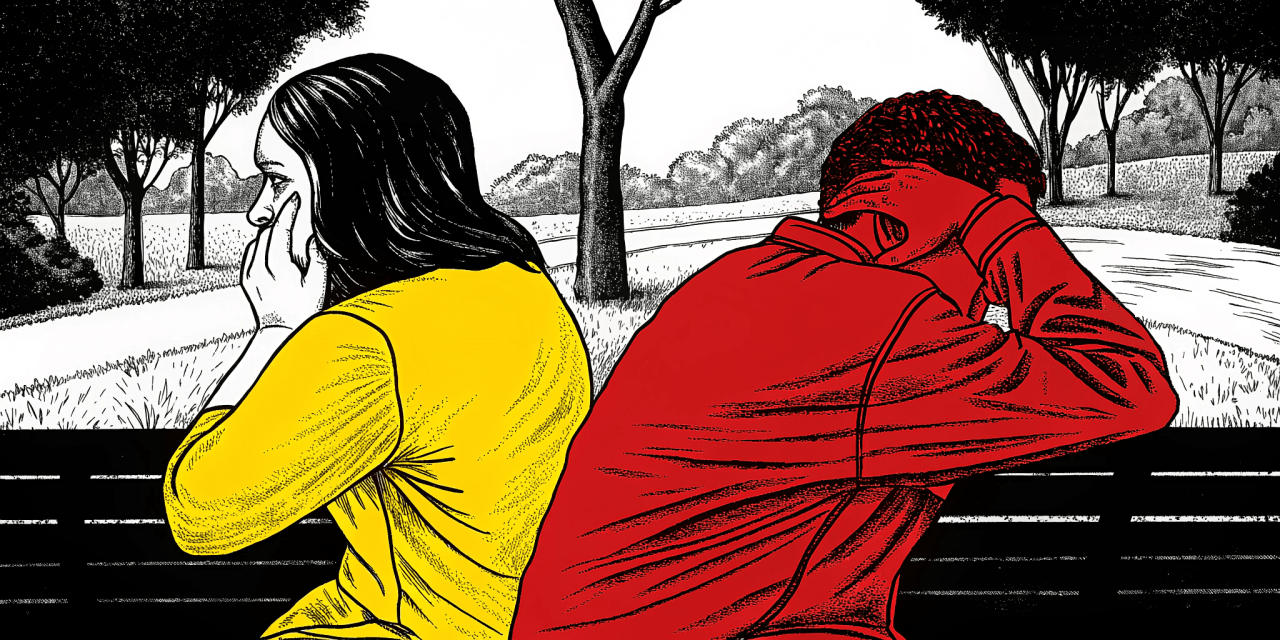
Stress and Intimacy: How Anxiety Affects Your Relationships
Stress and anxiety are common challenges that most people face at some point in their lives. While they are natural responses to life’s pressures, their impact on relationships and intimacy can be profound. Stress can create barriers between partners, weaken emotional connections, and even affect physical intimacy. However, with the right understanding and tools, these challenges can be effectively managed.
In this article, I’ll explore how stress and anxiety influence relationships and share practical strategies to rebuild intimacy and strengthen your bond.
The Impact of Stress and Anxiety on Relationships
1. Emotional Distance
When stress levels rise, emotional distance often follows. A stressed partner may become withdrawn, irritable, or preoccupied, making it difficult to connect emotionally. Over time, this distance can lead to feelings of isolation within the relationship.
2. Communication Breakdowns
Stress and anxiety can impair communication, leading to misunderstandings and conflicts. Partners may struggle to express their needs or feel too overwhelmed to actively listen to one another.
3. Decreased Physical Intimacy
Stress can take a toll on physical intimacy. It often reduces libido and makes it harder for partners to feel relaxed and present during intimate moments. This can create a cycle where stress feeds into relationship tension, further weakening the bond.
4. Heightened Conflict
Stress often lowers our ability to handle challenges calmly. Small disagreements can escalate quickly, creating a more hostile environment where both partners feel unsupported.
Practical Strategies to Manage Stress and Rebuild Intimacy
1. Practice Open Communication
- Share your feelings and concerns with your partner in a constructive way. Use “I” statements to express how stress affects you (e.g., “I’ve been feeling overwhelmed at work, and it’s been hard to focus”).
- Actively listen to your partner without interrupting, showing empathy and understanding.
2. Prioritize Self-Care
- Engage in activities that help reduce stress, such as exercise, meditation, or spending time outdoors.
- Ensure you’re getting enough sleep and eating a balanced diet, as physical health plays a vital role in managing stress.
3. Schedule Quality Time Together
- Dedicate time to reconnect with your partner without distractions. This could include date nights, shared hobbies, or simply talking about your day.
- Focus on activities that bring joy and relaxation to both of you.
4. Set Boundaries Around Stressors
- Identify the sources of stress and work to set boundaries around them. For instance, limit work-related discussions during quality time or designate “no phone” zones to reduce distractions.
- Encourage each other to seek balance between responsibilities and personal time.
5. Seek Professional Support
- If stress and anxiety are significantly impacting your relationship, consider working with a therapist. Professional guidance can help both partners develop coping strategies and rebuild their connection.
- As a Mind and Sex Therapist, I specialize in helping individuals and couples navigate the challenges of stress and intimacy through personalized online sessions.
How Therapy Can Help
Therapy provides a safe and supportive environment to address the root causes of stress and its impact on your relationship. With my guidance, you can:
- Learn techniques to manage stress and anxiety effectively.
- Develop communication skills to express needs and emotions openly.
- Rebuild physical and emotional intimacy in your relationship.
- Foster a stronger, healthier bond with your partner.
Final Thoughts
Stress and anxiety are part of life, but they don’t have to define your relationships. By recognizing their impact and taking proactive steps, you can rebuild intimacy and create a more supportive, connected partnership.
If stress and intimacy challenges are affecting your relationship, I’m here to help. Book a free consultation today and take the first step toward a healthier, happier relationship.